

Therapy that meets you where you are
I work with individuals who are navigating a wide range of challenges, including:
Trauma recovery
Suicidal thoughts or recovery after a suicide attempt
Burnout and emotional exhaustion
Young adulthood and identity transitions
Relocation and life changes
Difficulty with daily functioning like eating, showering, or staying organized
“You are not alone. Everyone has problems. Some people are just better at hiding them than others.” - Unknown
My Services
-
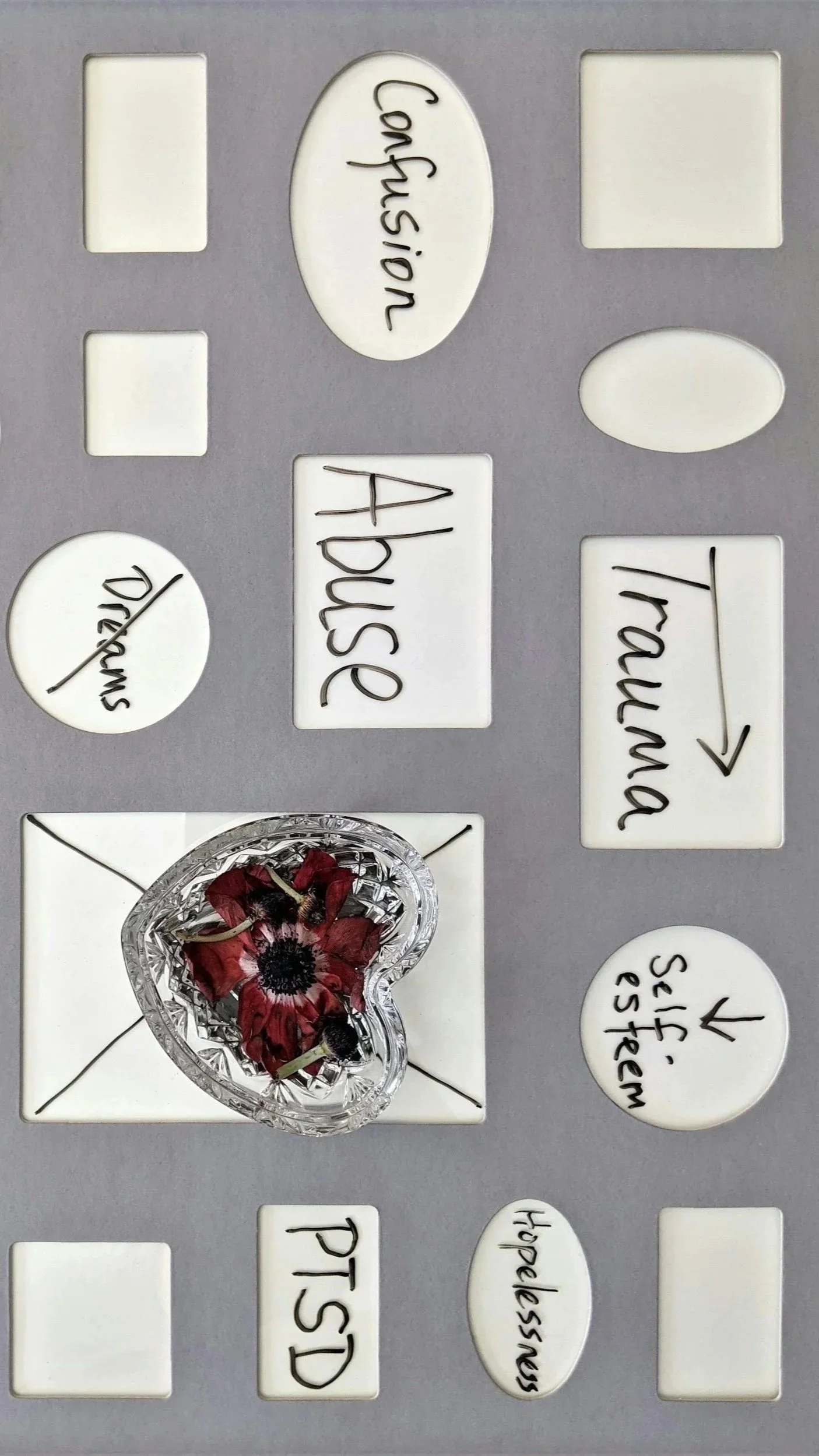
Trauma Therapy
When the Past Keeps Showing Up in the Present
You may know exactly what happened to you. Or you may only know that something doesn't feel right.
Maybe you find yourself constantly on edge, waiting for something bad to happen. Maybe you struggle with shame that doesn't seem to match your circumstances. Perhaps you're exhausted from trying to push through memories, emotions, or reactions that feel impossible to control.
Trauma can affect every part of life—relationships, work, self-esteem, daily routines, and your sense of safety in the world. It can leave you feeling disconnected from yourself and unsure of how to move forward.
The good news is that healing doesn't require pretending the past never happened. It starts with understanding how those experiences continue to impact you today.
My Approach to Trauma Therapy
Before we begin processing traumatic experiences, we focus on building stability and safety.
Many people come to therapy feeling overwhelmed, emotionally flooded, disconnected, or simply exhausted. Rather than rushing into difficult memories, we'll first work on developing tools and strategies that help you feel more grounded and supported in your daily life.
Once a foundation of stability is in place, we can begin deeper trauma work at a pace that feels manageable and sustainable.
Depending on your needs, I may incorporate:
Trauma-Focused Cognitive Behavioral Therapy (TF-CBT)
EMDR Therapy
Narrative approaches
Cognitive Behavioral Therapy (CBT)
Crisis stabilization and coping skills development
Every person's experience of trauma is different. Therapy is tailored to your goals, your history, and your readiness for the work.
-

Individuals (Children, Teens, Adult)
Sometimes it feels like you're carrying more than anyone can see.
You may be exhausted from holding everything together, trying to function through the weight of painful experiences, overwhelming emotions, or major life changes. Maybe you're struggling to get through daily tasks that once felt simple. Maybe you're questioning your future, your identity, or whether things can ever feel different than they do right now.
Whatever has brought you here, you don't have to face it alone.
I provide individual therapy for people navigating burnout, life transitions, and the lasting impact of difficult experiences. Together, we'll create a space where you can make sense of what you're carrying, build practical tools for coping, and move toward a life that feels more manageable, meaningful, and connected.
Therapy isn't about forcing yourself to "get over it" or pretending everything is fine. It's about understanding what you've been through, recognizing what you need now, and finding a path forward that feels sustainable and authentic to you.
-

Therapy for Suicidal Thoughts & Suicide Recovery
When You're Tired of Carrying This Alone
If you're struggling with suicidal thoughts, you may feel like no one truly understands what you're going through.
Perhaps you're exhausted from fighting the same thoughts every day. Maybe you're carrying shame about what you're experiencing, worried about being judged, or afraid of what might happen if you're completely honest. You may feel disconnected from the people around you, overwhelmed by life, or unsure whether things can ever get better.
For some people, these feelings follow a recent crisis, psychiatric hospitalization, or suicide attempt. For others, suicidal thoughts have been present for months or years, quietly existing beneath the surface while they try to keep functioning.
Whatever your experience looks like, you deserve compassionate support from someone who can sit with these conversations without fear, judgment, or assumptions.
You Can Talk About Suicidal Thoughts Here
Many people worry that talking openly about suicidal thoughts will automatically lead to hospitalization or loss of control.
The reality is that suicidal thoughts exist on a spectrum, and understanding those thoughts is an important part of helping people stay safe and find relief from their suffering.
My goal is to create a space where we can have honest conversations about what you're experiencing. Together, we'll work to understand the pain beneath the thoughts, identify what keeps them going, and build strategies that help you move toward safety, stability, and hope.
My Approach
I use an individualized approach that combines:
Cognitive Behavioral Therapy (CBT)
Dialectical Behavior Therapy (DBT) skills
Crisis stabilization
Collaborative Assessment and Management of Suicidality (CAMS)
CAMS is a collaborative, evidence-based framework designed specifically for working with suicidal thoughts and behaviors. Rather than focusing only on symptom reduction, CAMS helps us understand the unique factors driving your suicidal thoughts and develop a treatment plan centered on those underlying concerns.
This means we work together to identify:
What feels unbearable right now
What contributes to feelings of hopelessness
What barriers make life feel difficult to navigate
What sources of support and meaning already exist
What practical steps can help increase safety and reduce suffering
You are an active participant in this process. Therapy is something we build together, not something done to you.
Recovery After a Suicide Attempt or Hospitalization
The period following a suicide attempt or psychiatric hospitalization can be complicated.
You may feel relieved to be alive, uncertain about what comes next, frustrated by the experience, or ashamed that it happened at all. Friends and family may expect you to feel "better," while you're still trying to make sense of everything you've been through.
Recovery is rarely as simple as returning to life exactly as it was before.
Therapy can provide space to process what happened, rebuild trust in yourself, strengthen coping skills, and create a path forward that feels realistic and sustainable.
Safety Planning and Building Stability
Safety planning is an important part of this work.
Rather than focusing only on moments of crisis, we work proactively to identify warning signs, coping strategies, supportive people, and resources that can help when things become difficult.
The goal is not simply surviving a crisis. The goal is helping you build a life that feels more manageable, connected, and worth living.
There Is Hope
When you're struggling with suicidal thoughts, it can be difficult to imagine things feeling different than they do today.
Many people begin therapy feeling hopeless, disconnected, and convinced that no one can understand their pain. Over time, they often discover that there are new ways to cope, new ways to understand their experiences, and possibilities they could not see when they first reached out.
You don't have to figure this out on your own.
If you're ready to take the next step, I'd be honored to support you.
-

EMDR Therapy
When You Know the Past Is Still Affecting You
Sometimes it feels like you've moved on from an experience, but your mind and body haven't gotten the message.
You may find yourself reacting strongly to situations that seem unrelated. Certain memories might feel as painful today as they did years ago. You may understand logically that you're safe, yet still feel anxious, overwhelmed, disconnected, or stuck.
When difficult experiences remain unprocessed, they can continue to affect how you think, feel, and move through the world.
EMDR therapy is designed to help your brain process those experiences so they no longer carry the same emotional intensity.
What Is EMDR?
Eye Movement Desensitization and Reprocessing (EMDR) is an evidence-based therapy approach used to help people recover from traumatic experiences, distressing memories, anxiety, and other experiences that continue to impact their lives.
Rather than focusing solely on talking about what happened, EMDR helps your brain process experiences that may have become "stuck" in your nervous system.
As memories become processed, many people find they are able to think about the experience without feeling overwhelmed by it. The memory remains, but it no longer has the same hold on their daily life.
My Approach to EMDR
I believe that effective trauma work begins with stability.
Before beginning trauma processing, we'll spend time building coping skills, strengthening emotional regulation, and making sure you have the resources needed to feel supported throughout the process.
This preparation phase is an important part of therapy—not a delay in treatment.
Once you're ready, we'll move through the EMDR process together at a pace that feels manageable and safe.
EMDR May Be Helpful If You:
Have experienced trauma or adverse life events
Feel stuck in patterns you can't seem to change
Experience intrusive memories or flashbacks
Struggle with anxiety, fear, or panic
Carry persistent shame or negative beliefs about yourself
Notice that past experiences continue to affect your present-day life
Feel emotionally overwhelmed when certain memories are triggered
You Don't Have to Keep Carrying It Alone
Many people come to EMDR feeling exhausted from trying to manage the effects of painful experiences on their own.
Healing doesn't mean forgetting what happened. It means helping your mind and body recognize that the experience is no longer happening right now.
Together, we'll work toward helping you feel more grounded, connected, and able to move forward with greater freedom and confidence.
Ready to get started?
Get in touch to schedule a 15-minute consultation.